
Know which animal needs attention
The incident identifies the animal and why it needs checking.
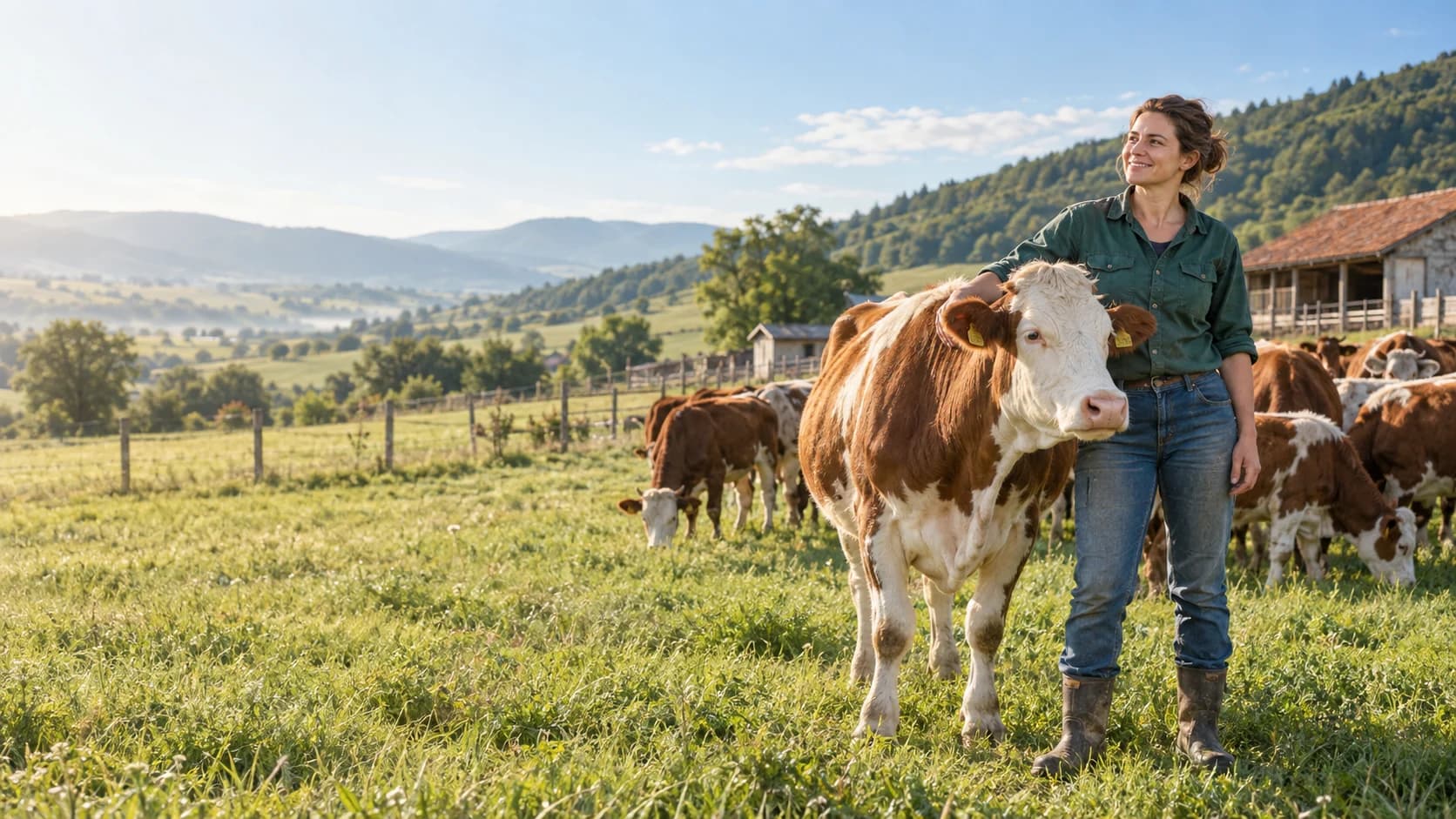
For pasture-based beef farms
Krava.info shows the last trusted location, movement history, and where to begin the search — without fake precision.
A short, clear path to action
This is an illustrative workflow, not a customer case study or a promise of a specific recovery time.
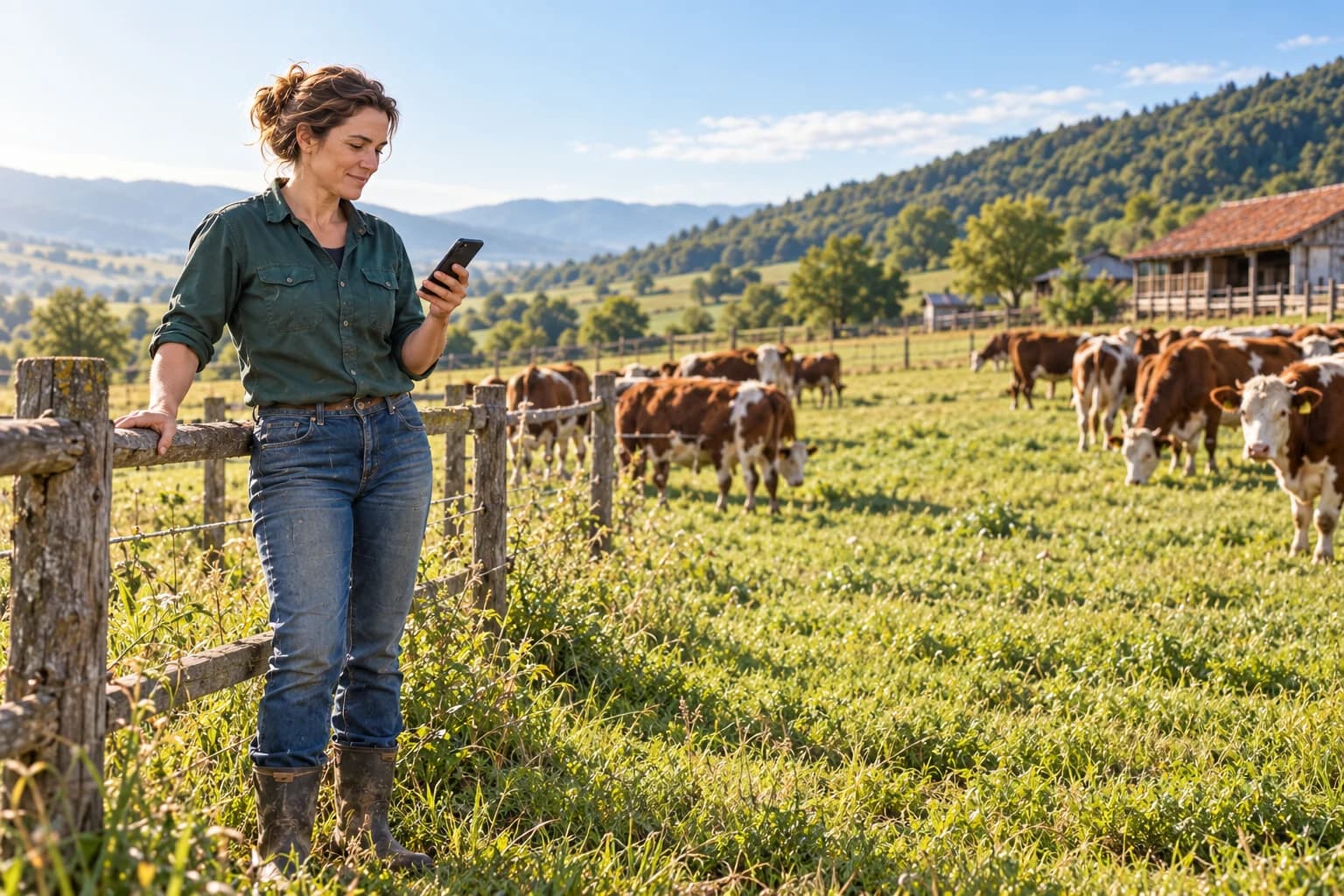
The system shows which animal needs attention.
See its age, confidence, and whether the signal is weak or stale.
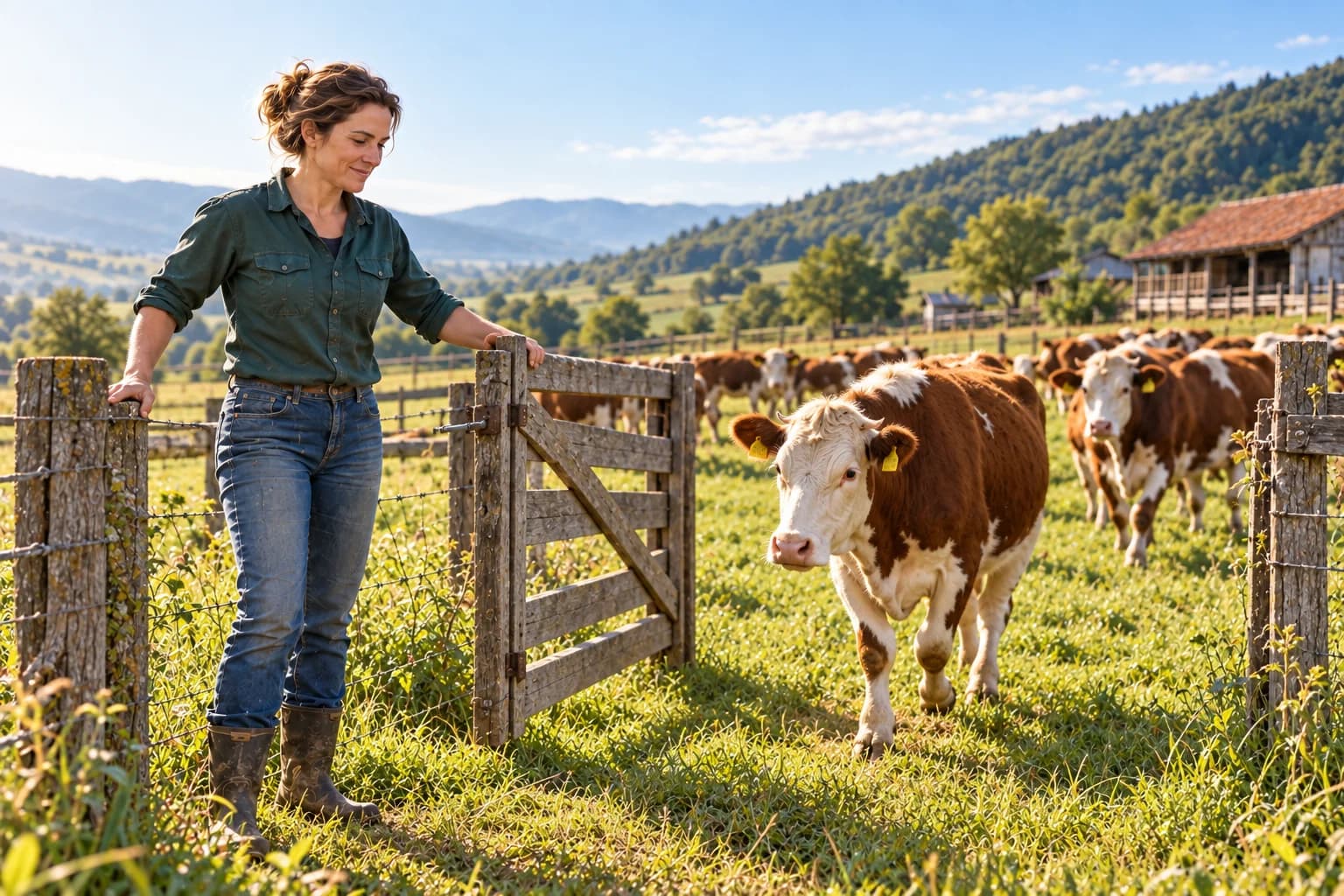
The team starts with the most useful available context instead of guesswork.
The animal returns and the result remains recorded in the incident.
What changes in the field
Krava.info organizes the available evidence around the decision the team needs to make now.
The incident identifies the animal and why it needs checking.
The last trusted location and movement history provide a practical starting point.
Weak signal, device, or gateway context appears honestly instead of as an invented precise position.
How signal becomes action
The technical system stays in the background. In the field, the team sees context, an incident, and the next action.
An ear mark or collar sends location context over LoRaWAN.
Krava.info evaluates position, confidence, and signal freshness.
When action is needed, an incident opens and the team receives a direct link.
A worker checks the evidence, claims the case, and records the outcome.

Krava.info does not show weak signal as precise location.
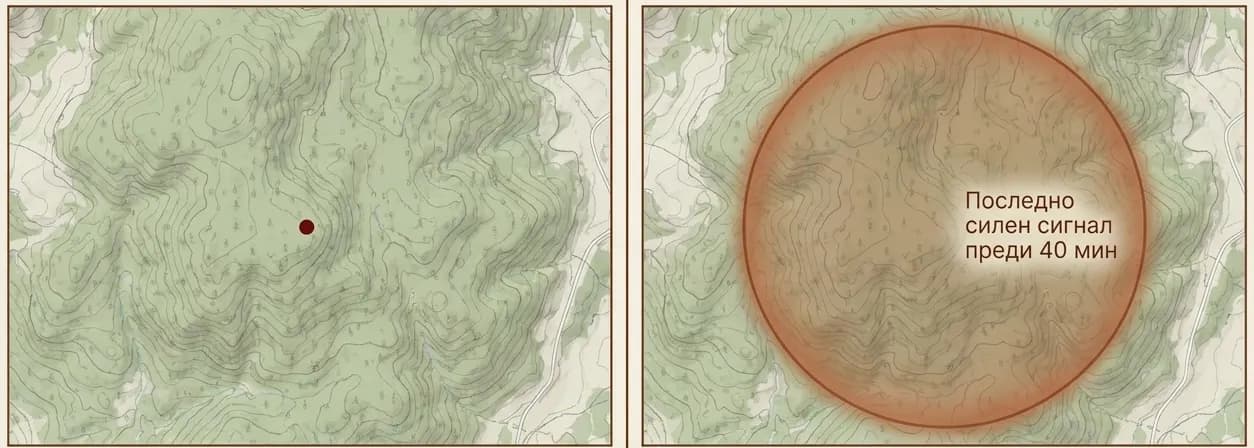
Movement history shows accepted location fixes for a selected period, not a perfect GPS trail.
Not every animal and pasture needs the same accuracy, cost, or control. Krava.info supports different field devices for different scenarios.
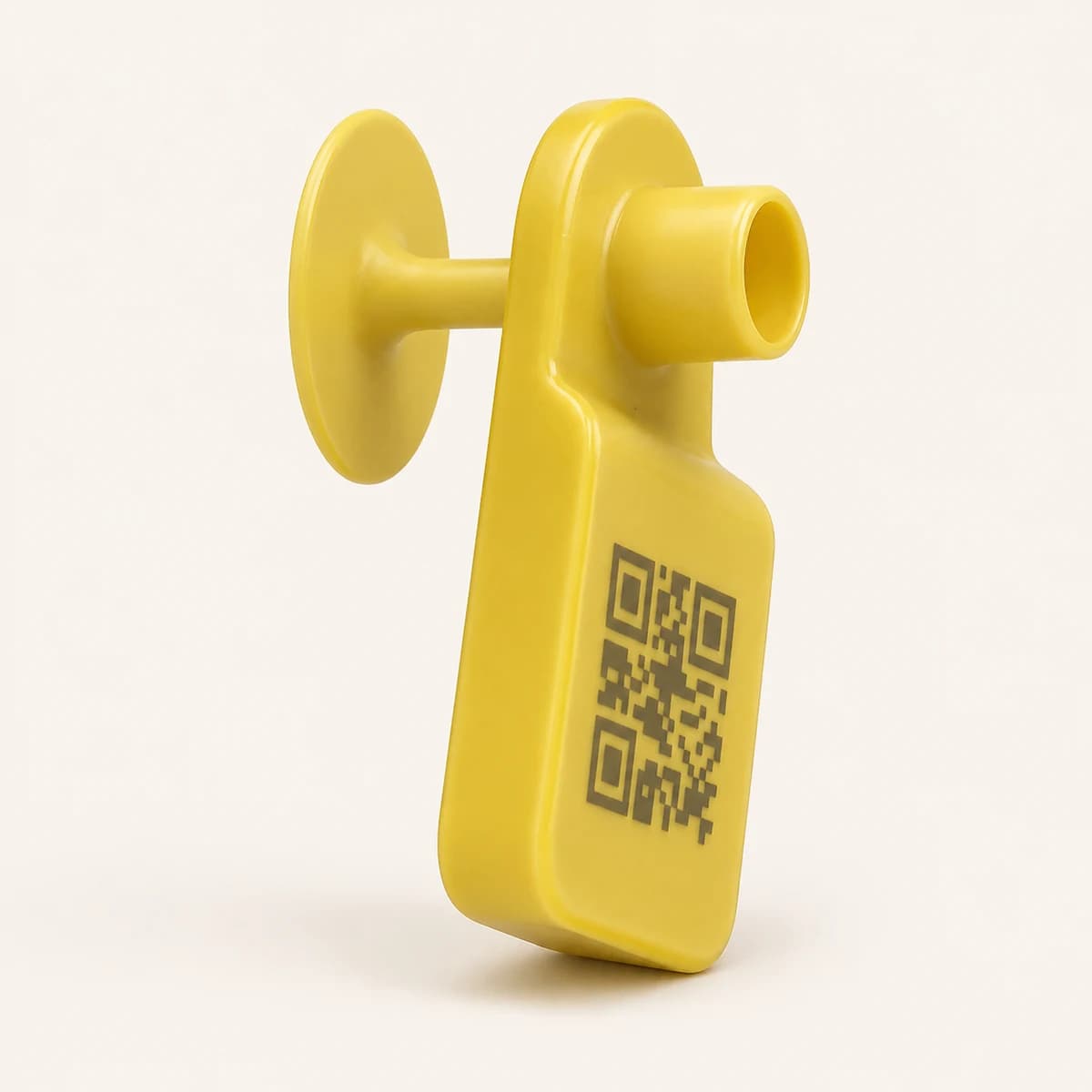
A lightweight, lower-cost option for broader herd visibility.
Built for operational orientation, not GPS-level precision.
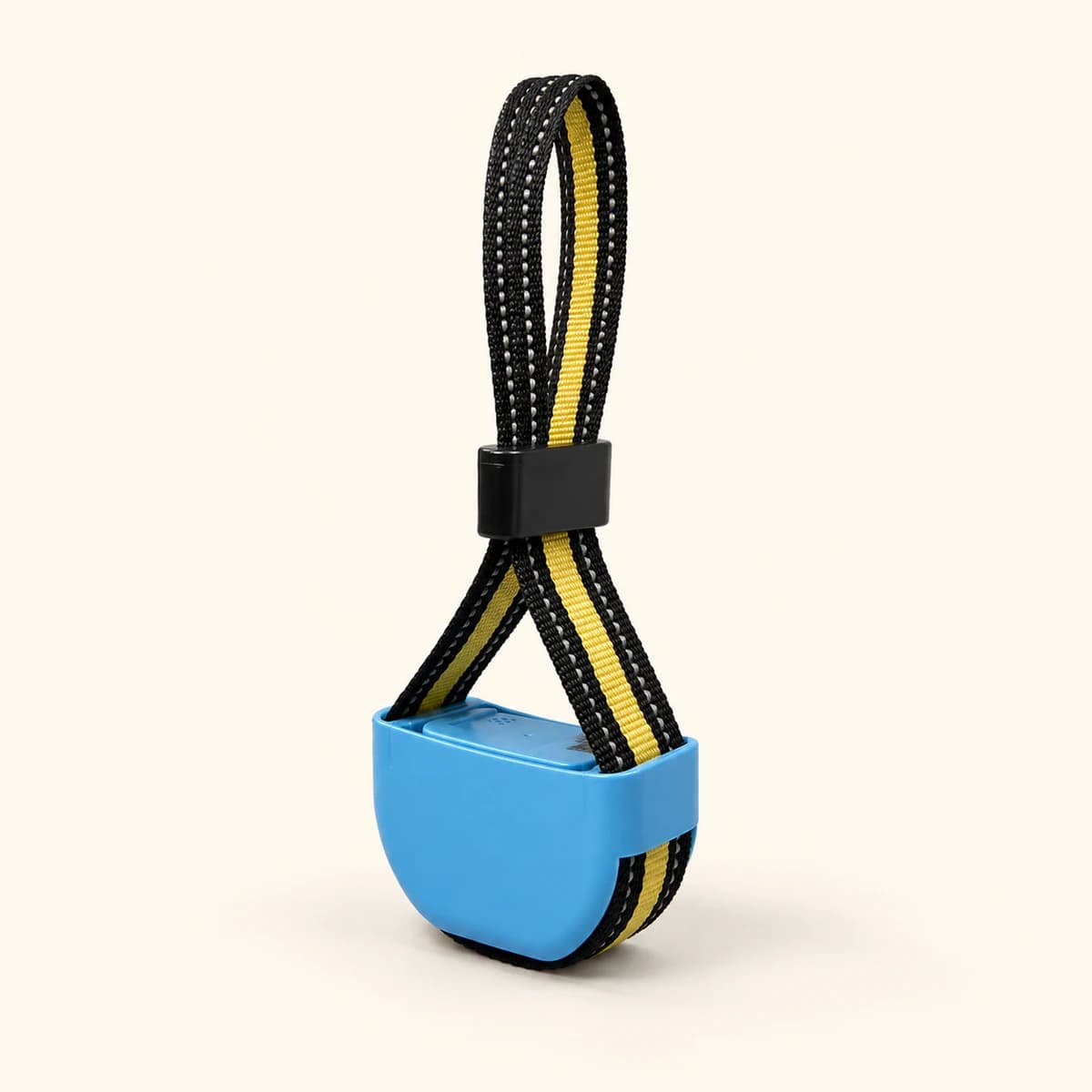
Higher accuracy for animals and pilots where position matters more.
GPS accuracy depends on field conditions, sky view, operating mode, and reporting interval.
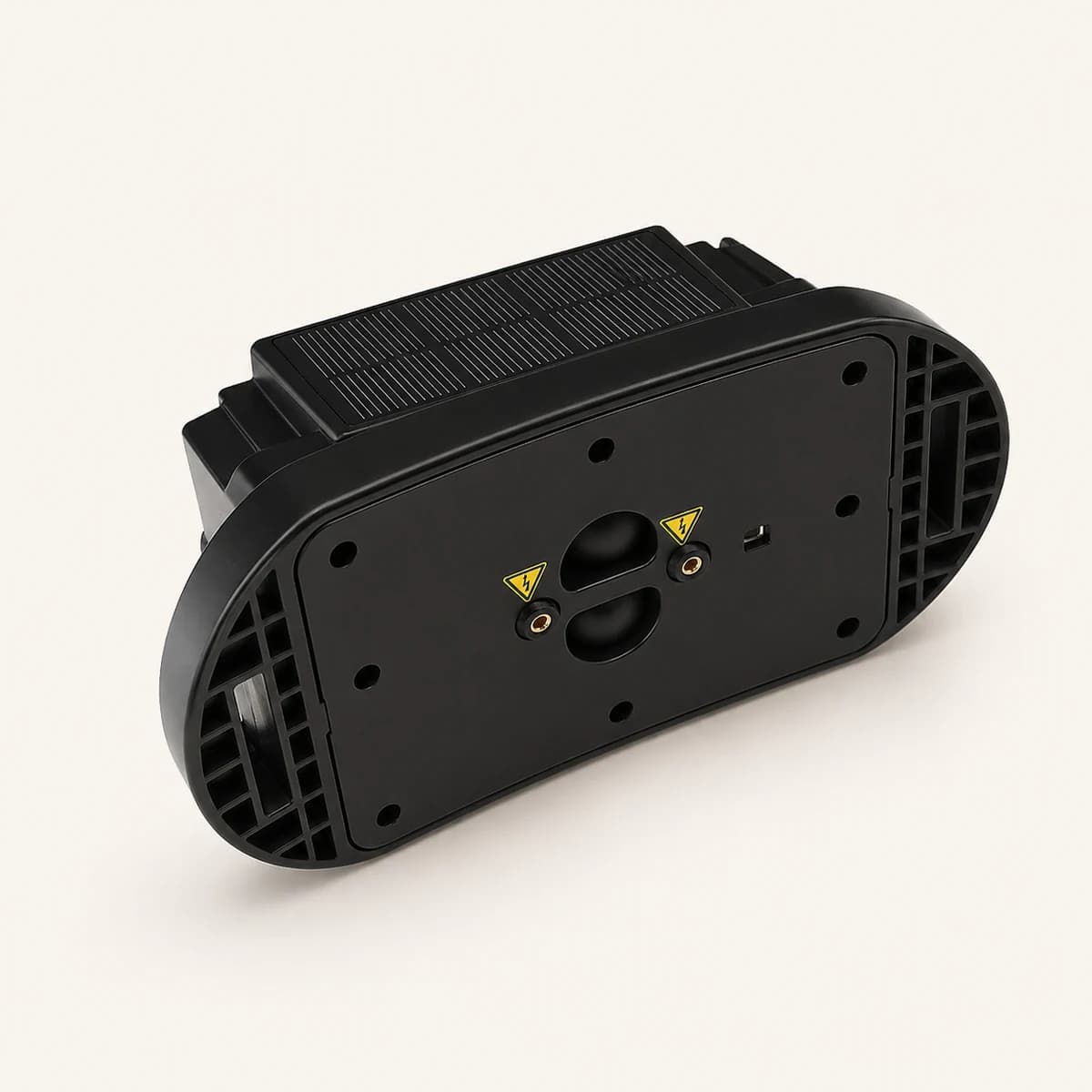
Controlled capability for supported collars.
This is not an autonomous shock system. It is a controlled, operator-managed capability with an audit trail.
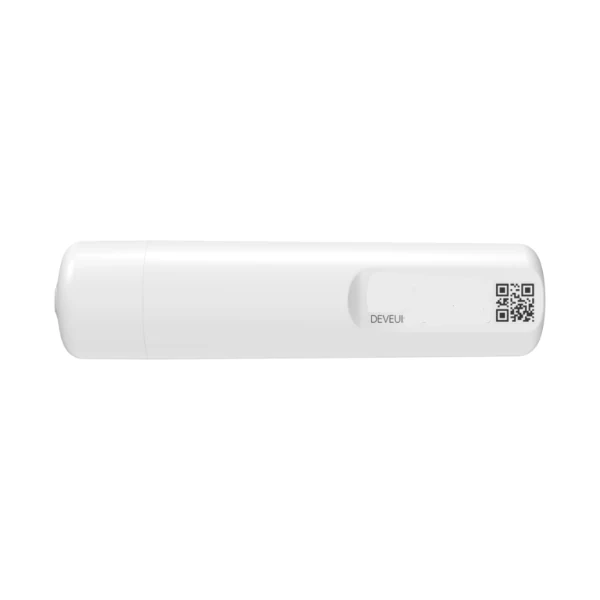
An internal device for retained identification and collection of physiological signals.
The manufacturer lists these signals; using them in Krava.info requires farm-specific calibration and field validation. They support decisions but are not a veterinary diagnosis and do not guarantee detection. The bolus identity supplements but does not replace statutory identification.
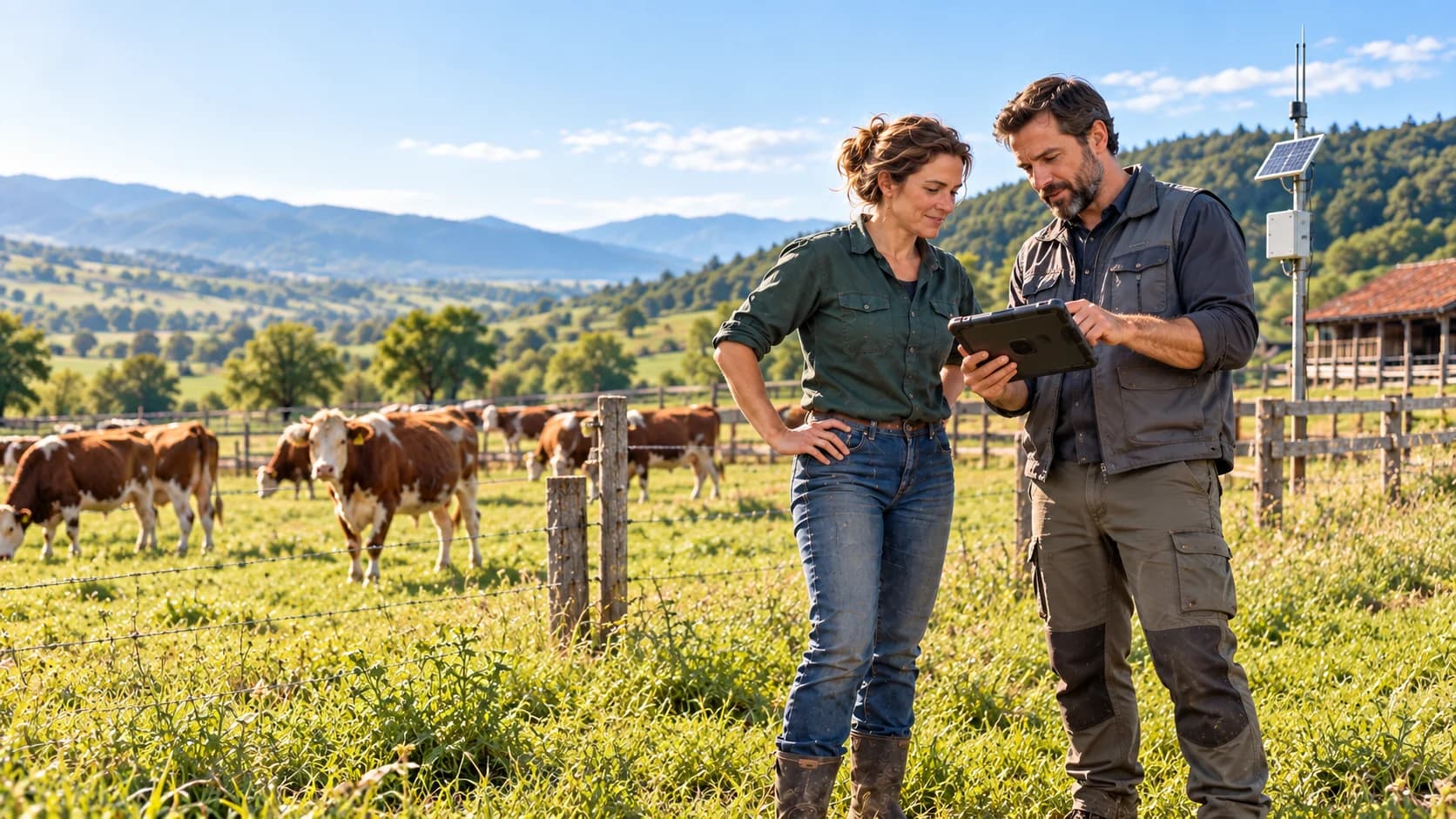
A pilot shaped around the real field
Before launch, we review the pasture, fences, coverage, and pilot goal. That lets device and gateway placement match the actual farm.
No. Krava.info first focuses on safety and incident response: missing animals, fence breaches, degraded visibility, and hardware context.
No. When the signal is weak or stale, the system shows it as weak or stale. That is important for trust.
Location-first response remains the primary promise. A separate optional rumen-bolus pilot may cover heat, calving, and changes associated with health conditions after farm-specific calibration and field validation. It is not a veterinary diagnosis and does not guarantee detection.
As a controlled capability for supported collars. It is off by default, enabled by an operator, bounded by repeat count, and command outcomes are visible in history.
Because the pilot depends on animal count, devices, coverage, gateways, and farm goals. After a request, we propose a specific pilot.
Krava.info
Start with a short conversation about the animals, pasture, coverage, and what the pilot needs to prove.